Home / News / The Evolving Role and Future of Titanium Anodes
Feb. 03, 2026
The Evolving Role and Future of Titanium Anodes
The objectives of water treatment are advancing, shifting focus from merely "removing contaminants" toward more comprehensive goals: resource recovery, energy neutrality, and ecological compatibility. In this evolving landscape, the titanium anode—a well-established component in electrochemical water treatment—is itself undergoing a transformation. Its role is expanding, charged with new expectations and potential.
Traditionally, the titanium anode has been seen as a potent tool for advanced oxidation and pollutant degradation. That remains true, but its capabilities are expanding. For example, by carefully engineering the microstructure and chemical composition of the coating, researchers can make titanium anodes more efficiently reduce oxygen to hydrogen peroxide (H₂O₂) during electrolysis, rather than just oxidizing pollutants. The produced H₂O₂ is itself a green oxidant, useful for subsequent Fenton reactions or as a chemical feedstock. This turns the treatment unit into a useful "mini-generator" of chemicals. Similarly, for wastewater containing valuable metals like copper, nickel, or gold, specific titanium anodes can help create the right electrochemical conditions for these metal ions to be selectively and neatly deposited onto the cathode for recovery, yielding high-purity materials. This truly embodies "turning waste into wealth." These explorations are shifting the perception of titanium anodes from purely "consumptive" treatment components towards "productive" and "resource-recovery" units.
The application landscape is also broadening and becoming more distributed. Once primarily used in large industrial treatment plants, they are now finding purpose in decentralized, modular systems. Imagine a remote village using a small-scale disinfection unit powered by solar panels and centered on a titanium anode, providing continuous, chemical-free drinking water safety with simple maintenance. In ecological remediation, researchers are experimenting with using titanium anodes as "electronic switches" in constructed wetlands or contaminated soil. Applying a mild electric field can stimulate or guide the metabolic activity of functional microbes, enhancing their ability to degrade pollutants or altering the speciation of heavy metals to reduce toxicity. This "electro-bio" coupling approach opens new avenues for low-energy environmental restoration.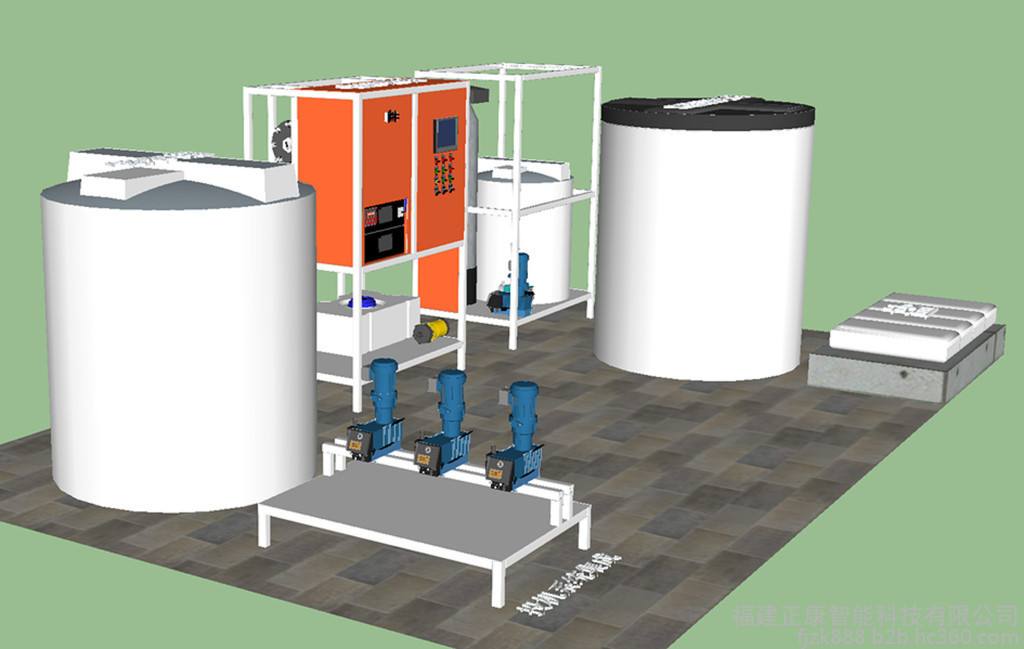
Looking forward, the development of titanium anodes is inextricably linked to "green" and "smart" technology. On one hand, a key challenge is to better integrate them with fluctuating renewable energy sources (like wind and solar). Developing electrolysis processes and power control strategies that are adaptive to intermittent supply and more energy-efficient is crucial for reducing their carbon footprint. On the other hand, equipping titanium anodes with "sensors"—using IoT technology to monitor real-time health indicators like working potential or coating impedance—can enable a shift from "scheduled replacement" to "predictive maintenance." This would significantly improve management and economics. Challenges remain, such as further reducing reliance on precious metals and enhancing coating durability under extreme conditions. Yet, every breakthrough in material science promises new leaps in application. The future of titanium anodes isn't just about cleaner water; it's about enabling smarter, more circular management of our water resources. This path of evolution deserves continued attention and investment.