Home / Technical Support / The Silent Guardian of Cathodic Protection Systems: An In-Depth Analysis of Cylindrical Anode Capsules
Nov. 12, 2025
The Silent Guardian of Cathodic Protection Systems: An In-Depth Analysis of Cylindrical Anode Capsules
In sectors vital to the national economy and people's livelihood, such as energy transportation, port terminals, and large-scale industrial storage, the corrosion of metal facilities is a cannot be ignored (bù róng hūshì, cannot be ignored) "chronic killer." It silently erodes the "bones and tendons" of pipelines, storage tanks, and offshore structures, not only causing enormous economic losses but also burying serious safety hazards. To combat this persistent problem, cathodic protection technology is widely used as one of the most effective protective methods. Among the various cathodic protection components, the cylindrical anode capsule plays a crucial role due to its unique structure and exceptional performance.
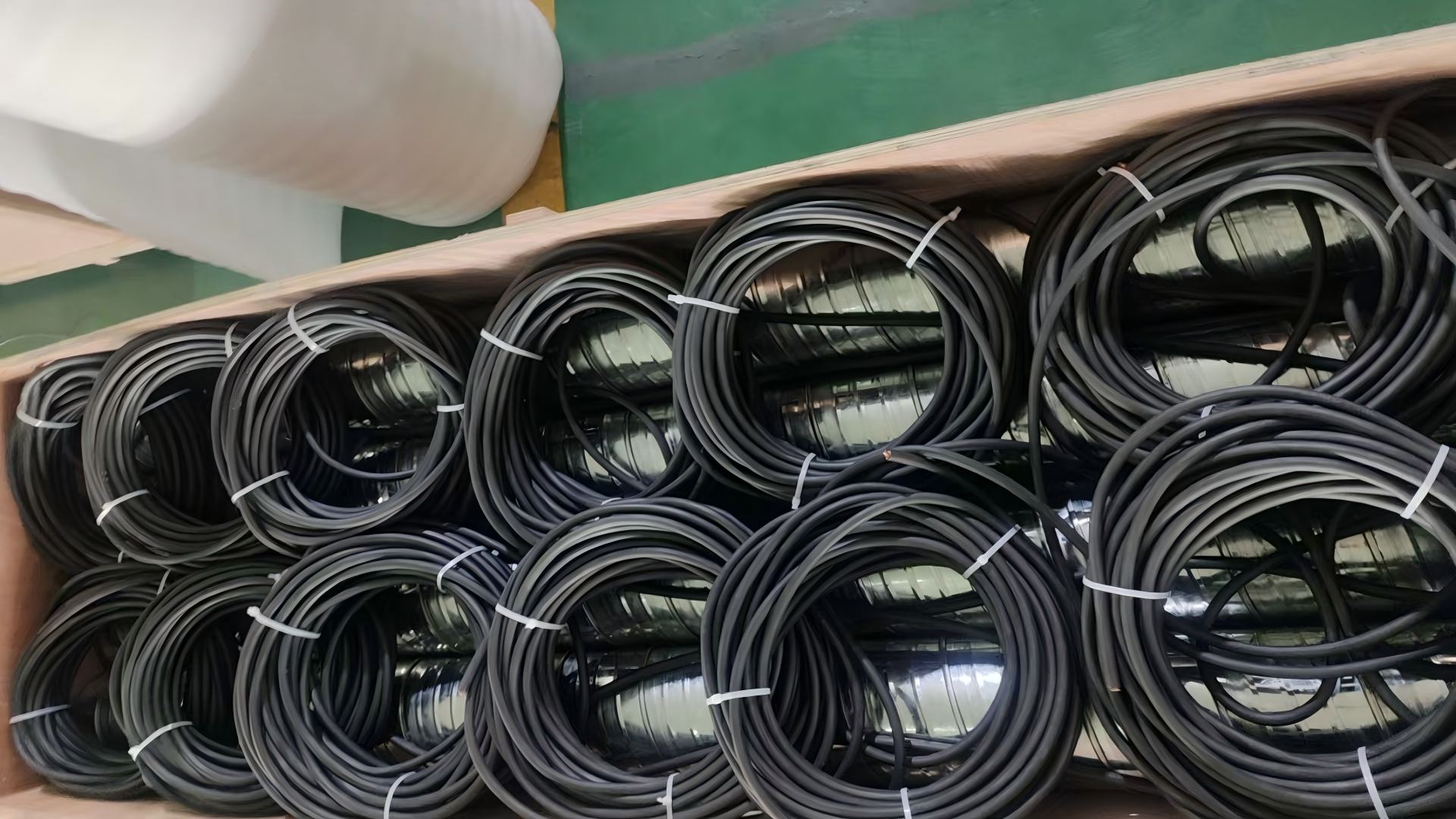
A cylindrical anode capsule is not a simple container but a highly integrated sacrificial anode cathodic protection device. As the name suggests, its exterior is a cylindrical casing made of steel material. The interior is filled with specific sacrificial anode materials, such as aluminum alloy or zinc alloy, and a steel support frame is pre-embedded in the center of the anode to ensure effective connection between the anode and the casing during consumption.
Its design concept is very clever: it integrates traditional, irregularly shaped block anodes into a standardized, easy-to-install cylindrical structure. This design not only enhances the product's mechanical strength but, more importantly, optimizes the anode's working performance, enabling it to adapt to more complex and harsh operating environments.
To understand its uses, one must first grasp its internal mechanism.
Casing Structure: The casing is typically designed with a permeable porous structure or has regularly distributed holes in the wall. This design is not arbitrary; its purpose is to allow the surrounding environmental medium (such as seawater, soil, or fresh water) to fully and uniformly flow into the capsule, contacting the internal anode material to form a complete electrical circuit. Simultaneously, the porous structure ensures that corrosion products generated during the anode's dissolution and consumption can be discharged smoothly, preventing scaling and blockage, and guaranteeing continuous and efficient output of protective current from the anode.
Principle of Cathodic Protection: The cylindrical anode capsule operates based on the "sacrificial anode" method in electrochemistry. In an electrolyte environment (like water or moist soil), the internal aluminum/zinc alloy anode (more active) and the protected steel structure (like the casing, pipeline) spontaneously form a galvanic cell after being connected by a cable. The anode material preferentially undergoes electrochemical corrosion, continuously releasing negative current to the protected structure, thereby suppressing the protected structure's own tendency to corrode. Simply put, it achieves the long-term safety of the primary equipment by "actively sacrificing itself."
Cylindrical anode capsules are extremely widely used, showing irreplaceable value especially in the following scenarios:
Marine and Aquatic Environments:
Ships and Offshore Platforms: Installed on ship hulls, ballast tanks, near Ballast Water Treatment Systems, and on the legs and jackets of offshore platforms, effectively resisting strong corrosion from seawater.
Port and Wharf Facilities: Used to protect steel piles, underwater gates, floating docks, etc. Their cylindrical structure can withstand wave impact and is firmly installed.
Subsea Pipelines: Acting as "supplementary guardians" for pipeline protection, they can be directly strapped or fixed to the pipeline, providing potent local protection.
Soil and Complex Geological Environments:
Underground Storage Tanks and Pipelines: In dry soil with high resistivity or complex backfill composition, traditional ribbon anodes might be ineffective. The specialized chemical backfill (like gypsum, bentonite) inside the cylindrical anode capsule can maintain long-term moisture and low resistance around the anode, ensuring stable output of protective current.
High Resistivity Areas: Its integrated design allows it, during installation, to create an ideal local working environment by adding specialized backfill packages, overcoming geographical limitations.
Its core advantages can be summarized as follows:
Stable Performance, Long Service Life: The optimized structure and backfill system ensure uniform anode consumption rate and stable current output, with a design service life of up to several decades.
High Mechanical Strength, Easy Installation: The sturdy steel outer casing provides good protection, making it less susceptible to damage during transportation, lifting, and sinking. Standardized lifting lugs and connection point designs make construction and installation as simple as "lowering a bucket," greatly reducing labor costs and installation difficulty.
Strong Adaptability, Flexible Application: Whether immersed in seawater or buried in complex soil, it can adapt to the environment by adjusting the internal formulation and casing porosity, demonstrating excellent adaptability.
High Protection Efficiency: Compared to dispersed block anodes, cylindrical anode capsules provide more concentrated and uniform current distribution, achieving comprehensive, full-coverage protection for the protected structure.
In practical engineering applications, the selection of cylindrical anode capsules is not fixed. It is necessary to accurately calculate the total required protective current based on parameters such as the material and surface area of the structure to be protected, the resistivity of the environmental medium, and the design protection life. This determines the type of anode material (aluminum, zinc, or magnesium-based), weight, and the required quantity and distribution for installation.
During installation, it is essential to ensure reliable electrical connection between the anode capsule and the protected structure, and to ensure full contact between the capsule and the environmental medium. For underwater installation, water flow impact must be considered, and necessary securing measures taken; for installation in soil, it is recommended to backfill the anode pit with specialized chemical backfill to maximize its performance.