Home / News / A Guide to Key Engineering Considerations
Mar. 26, 2026
Selecting the right MMO tubular anode is crucial for ensuring the efficiency and cost-effectiveness of a cathodic protection system. The selection process typically involves a comprehensive evaluation of factors such as the environmental medium, the required protective current, the anode layout, and the expected service life.
The first consideration is the compatibility with the medium. While MMO tubular anodes perform well in a variety of environments—including soil, fresh water, seawater, and saline conditions—the impact of medium resistivity on the anode's output capacity needs to be assessed. In high-resistivity soils, a coke breeze backfill is often required to reduce the ground resistance and allow the anode to operate at its full potential. For fresh or seawater environments, anodes can be installed directly, but factors like water flow, erosion, and biofouling that could affect the anode's surface condition must be considered.
Next is the selection of the anode's current output capacity and physical dimensions. The tube diameter, wall thickness, and coating type determine the anode's rated current output and operating current density. During selection, the total current demand of the structure being protected and the number of anodes to be installed should be used to distribute the output load appropriately. This prevents an excessive current density that could accelerate the aging of the coating. A safety margin is typically included in engineering designs to account for performance changes as the system ages.
The cable configuration is also an important factor.
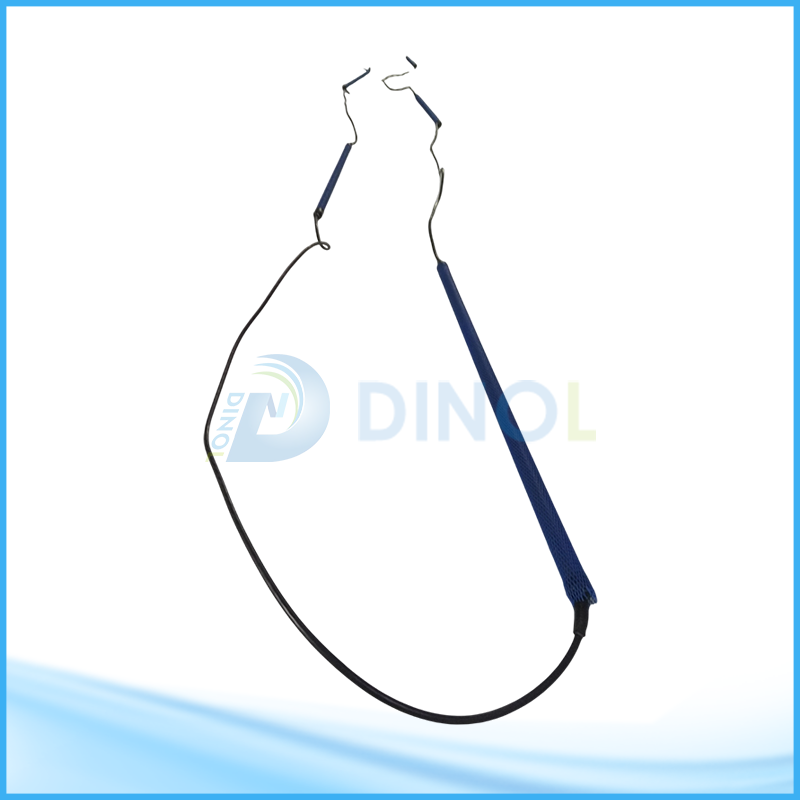
The length, cross-sectional size, and insulation rating of the cable supplied with the anode must match the junction box location and the system's output voltage. An undersized cable can lead to excessive voltage drop, reducing the current output from anodes further from the power source. Insufficient cable insulation can result in current leakage or damage in complex soil environments.
Finally, the choice of supplier should also be factored into the selection process. A supplier's proven production stability, clear quality traceability records, and robust technical support can provide greater assurance for the success of an engineering project. A steady production schedule, in this context, can be seen as an indicator of a mature manufacturing process and a reliable supply chain, which are highly valued in the market.